Interventional Mindset is an educational series that gives eye physicians the needed knowledge, edge, and confidence in mastering new technology to grow their practices and provide the highest level of patient care. Our focus is to reduce frustrations associated with adopting new technology by building confidence in your skills to drive transformation.
Browse through our videos on a variety of topics within cataract and refractive surgery, glaucoma, and ocular surface disease to learn practical insights into adopting a variety of new surgical techniques and technology.
The road to collaborative care
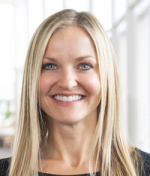
Dr. Ristvedt recalls her journey after her father decided to retire from ophthalmology practice. When she chose to build a surgery center, she aimed to provide efficient patient care and grow the practice, rather than being constrained to scheduled, blocked time.
Motivated by Vance Thompson Vision's dedication to servant leadership, advanced technology, and authentic care for patients and team members, she aspired to be a part of it. To ensure she was fostering high-level collaboration, Dr. Ristvedt reached out to Dr. Walker to help grow the practice, who relocated from Florida to Minnesota to be closer to his family.
Dr. Walker explained how his previous practice model differed from his current one. Collaborative care was not a priority, as Dr. Walker and the previous ophthalmologist worked independently of each other. When he began at Vance Thompson Vision, Dr. Walker had to learn not only about surgery but also how to build trust with referral optometrists and communicate effectively with patients regarding the various surgeries offered by the practice.
A collaborative model helps the community handle the shortage of ophthalmologists, as there are more patients than OMDs. This model allows subspecialty ophthalmologists to focus on their specific areas of expertise.
Building trust
Referral ODs
As Vance Thompson Vision is a referral center, growing trust is imperative. Dr. Ristvedt and Walker established trust and their expertise in interventional glaucoma through various efforts, including:
- Conducted educational meetings at local restaurants to educate patients about MIGS procedures
- Attending local meetings and networking with other doctors
Some doctors might feel intimidated by a surgeon, and having Dr. Walker as a liaison has effectively bridged the gap between referring doctors and Dr. Ristvedt.
Patients
For many patients, the day of surgery is when they first meet Dr. Ristvedt, and this can be nerve-racking on its own. To ensure a smooth transition, Drs. Ristvedt and Walker have developed a model called FORD, which works best for them. FORD stands for Family, Occupation, Recreation, Dream.
The office staff includes notes about the patient so that Dr. Ristvedt can better understand the patient's preferences and condition. These notes may indicate whether they prefer a premium IOL or the types of activities they enjoy. They try to build trust through small encounters, fostering a sense of reliability.
Since working together, Drs. Ristvedt and Walker have developed an algorithm that promotes open communication, resulting in increased efficiency. Dr. Walker values this open dialogue because when he’s not fully confident, he can easily reach out to her for advice, allowing Dr. Walker to handle the rest while Dr. Ristvedt focuses on surgery.
Before arriving at the office, patients receive a video that introduces them to Dr. Ristevedt, the staff they will meet, and explains what will happen during the exam. Egalitarianism is important in the office, as it helps patients see that everyone works together as a team, aiming to provide them with the best possible experience.
Implementing this in practice
Surgeons may ask, “How can I create this model in clinical practice?” Dr. Ristvedt shares three key considerations:
- Find someone with whom they can see themselves working for a long time and build that relationship. Seek these connections at meetings, ask colleagues and contacts at optometry schools and residencies.
- Create an environment where staff receive prompt responses and one-on-one support.
- Introduce your optometry partner to the OD referral network.
Dr. Walker states that to establish a truly interventional glaucoma practice, patients requiring routine eye exams should be referred to primary eye care providers. Releasing those patients back to the community was a good decision because those practices are now fully booked with routine exams, allowing Drs. Ristvedt and Walker to focus on glaucoma patients in the practice.
Because of this, Dr. Walker has scheduled time to review options with patients and decide together which choice is best for them, considering the risks versus the rewards. He also discusses Dr. Ristvedt with them, what she has to offer, and why she is well-suited for their needs. They also receive the video of Dr. Ristvedt mentioned above, and their questions are answered before they leave the practice.
Final thoughts
The collaborative model is efficient and benefits the practice, practitioners, patients, and the community. It can be a great experience for patients, as they are at the center of the approach.
PM-US-3565
Dr. Ristvedt and Dr. Walker were compensated by Glaukos for their time.