


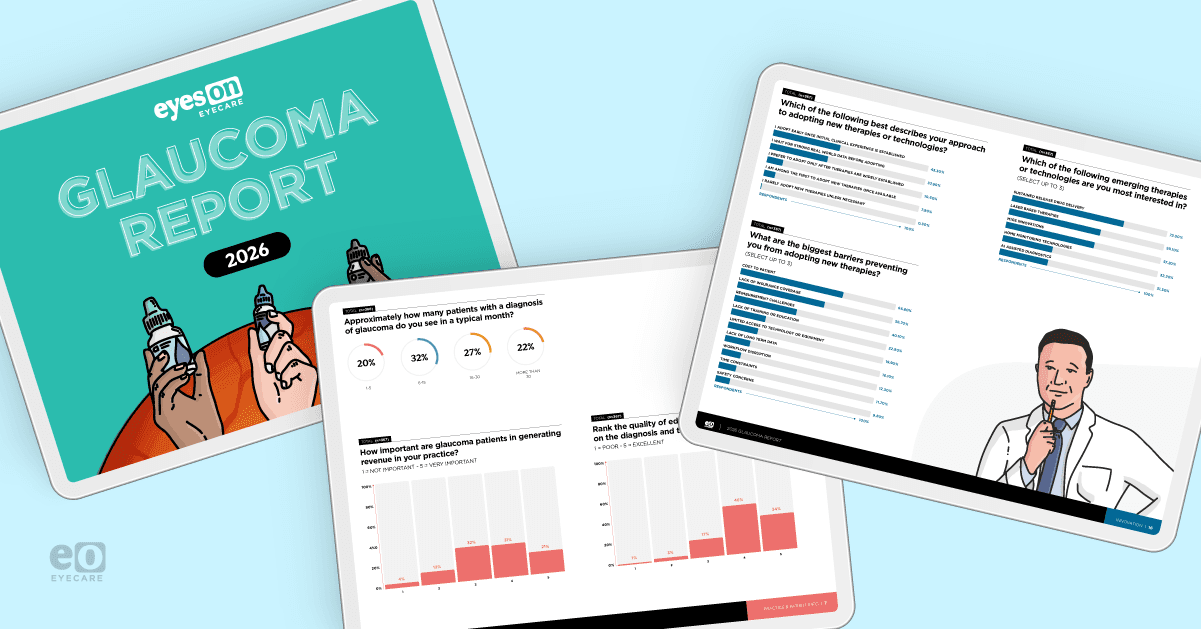
Glaucoma is the second leading cause of blindness globally, affecting 3.5% of individuals aged 40 to 80. It is a progressive optic neuropathy that causes optic disc cupping and the death of retinal ganglion cells, significantly impacting vision and quality of life. Recent advancements have shifted treatment towards interventional glaucoma, emphasizing minimally invasive procedures that effectively control intraocular pressure (IOP) without relying on topical medications as the first-line option, with the aim of improving visual acuity and quality of life for patients.1,2
The 2026 Glaucoma Report examines trends in glaucoma management over the past few years. It includes valuable insights from recent graduates, experienced professionals, and those in corporate and private practice. By capturing a diverse range of perspectives, the report aims to highlight the current landscape of glaucoma management, particularly the transition toward interventional approaches and the innovative strategies emerging to address this growing concern.
The 2026 Glaucoma Report covers:
- The primary challenges in glaucoma management include practice management, diagnosis, and management of the condition
- The most preferred first-line treatments for glaucoma
- Confidence in diagnosis and management—including the shift to interventional glaucoma
- And more!
Download the 2026 Glaucoma Report now or continue reading for a preview of the findings!
Key Takeaways from the 2026 Glaucoma Report
- Optometrists still believe that billing and coding, along with education on treatment, are the most helpful practice management resources for growing the glaucoma aspect of their practice.
- Visual field tests and OCT of the optic nerve head are the primary diagnostic methods used in optometry practices to diagnose glaucoma. However, OCT-A has risen sharply, from 0.24% in 2025 to 19.10% in 2026, indicating greater adoption to aid glaucoma diagnosis.
- Interestingly, the Goldmann Applanation Tonometer (GAT) remains the most accurate instrument for assessing the risk of glaucoma; however, there has been a 4.3% increase in the number of individuals who believe that the Ocular Response Analyzer (ORA) is the most accurate tool.
- This trend may be partially due to a growing understanding of corneal hysteresis as a risk factor for both progressive glaucoma and the conversion to glaucoma. In fact, awareness of corneal hysteresis increased from an average score of 2.91 in 2024 to 3.14 in 2025, and further to 3.25 in 2026.
- SLT is increasingly becoming a preferred first-line treatment for POAG, increasing from 16.14% in 2025 to 20.4% in 2026.
We hope that the 2026 Glaucoma Report will help you manage glaucoma more effectively as you take a deeper dive into diagnosis, treatment, and management trends. As glaucoma continues to become prevalent with the aging population, it’s imperative that ECPS stay up to date with the best practices.
If you want more free reports like this—plus educational content and eyecare news — delivered straight to your inbox, sign up for our newsletter!

